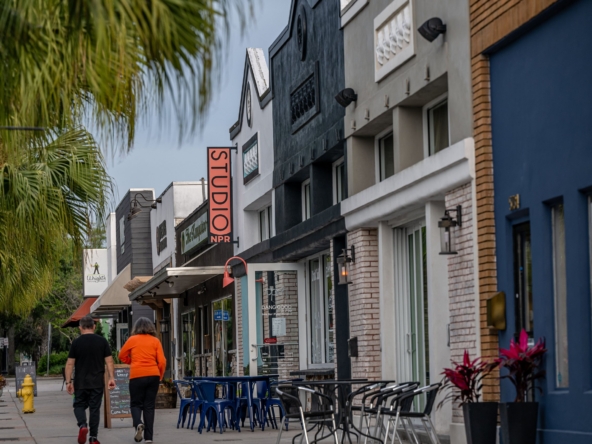
A retail property manager oversees the financial, operational, and tenant-facing work that keeps a retail center leased, compliant, and profitable. The role differs from residential management because retail income depends on lease-level detail, cost recovery, and the health of the tenant roster.
Lease administration and cost recovery
Retail leases, especially triple-net (NNN) leases, assign taxes, insurance, and maintenance to tenants. A retail manager tracks and enforces these obligations, bills them accurately, and reconciles Common Area Maintenance (CAM) charges at year end so owners recover what they are owed and tenants get clear, defensible statements.
Tenant relations and leasing
Occupancy and tenant mix drive a center’s performance. The manager handles renewals, coordinates re-leasing of vacant space, and manages tenant requests to keep the center full and the merchandising mix healthy.
Common area and vendor management
Managers coordinate landscaping, parking, lighting, security, and maintenance vendors, controlling costs while keeping the property clean and safe for shoppers.
Financial reporting and NOI oversight
Owners receive regular reporting on income, expenses, and net operating income, with recommendations to grow rent and control costs.
How active management protects your returns
Missed CAM recoveries, unenforced lease terms, or a weak tenant mix quietly erode returns. A manager who handles these details protects your income and your property’s long-term value.
Learn about Verdad’s retail property management services in Tampa Bay.