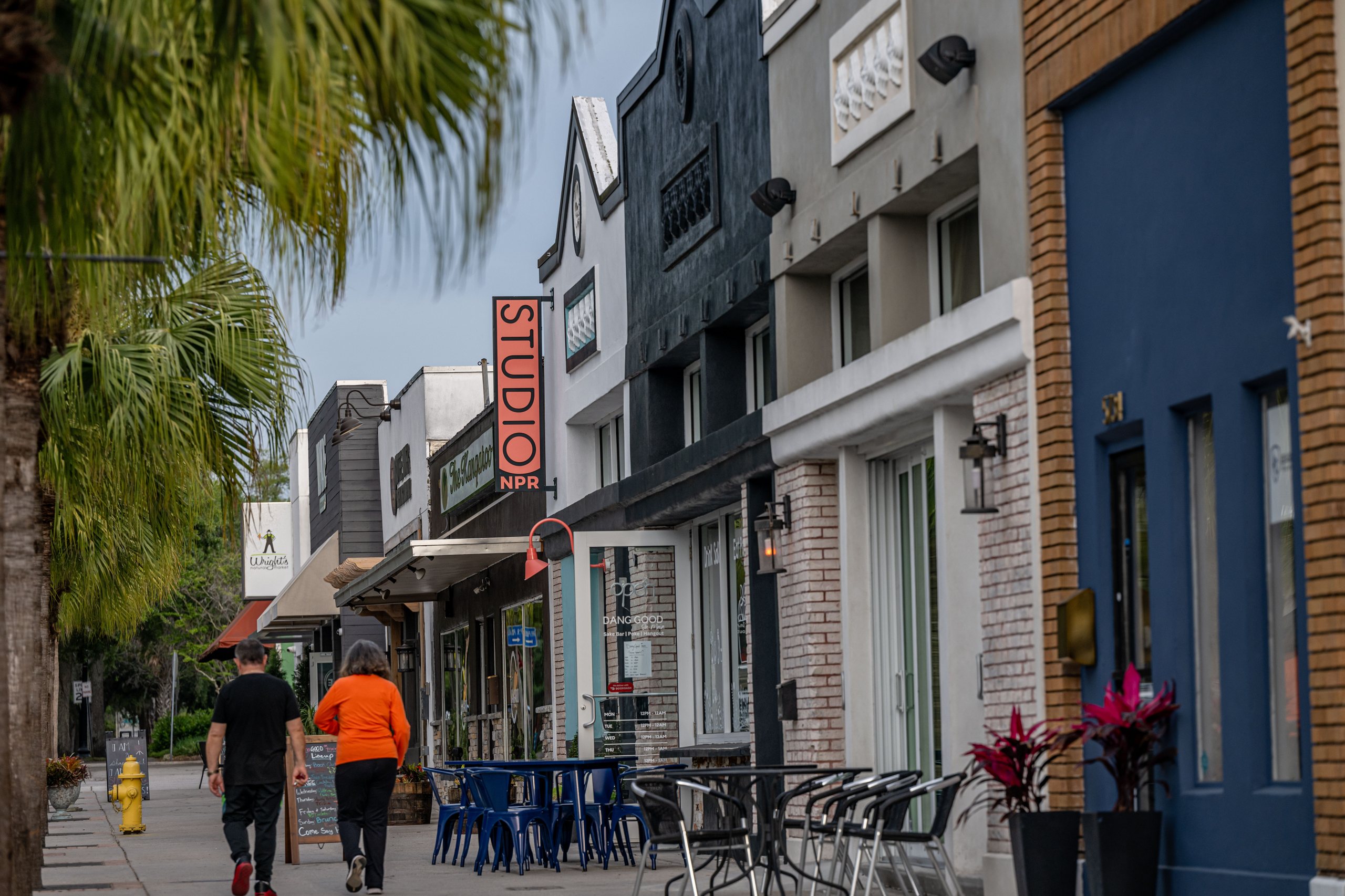
Chronic vacancy in a strip center is usually a pricing, condition, or tenant-mix problem before it is a market problem. In most Tampa Bay neighborhood centers, the suites that sit empty for a year are priced against the last lease instead of the current market, delivered in a condition that adds six months of permitting and build-out, or aimed at a user the center cannot support. The fixes compound: measure vacancy correctly, price each suite for what it is, shorten downtime, protect the tenants you already have, and underwrite the whole deal rather than the headline rent.
Separate physical vacancy from economic vacancy
Physical vacancy is the percentage of gross leasable area with no lease in place. Economic vacancy is the rent you are not collecting, and it is almost always the larger number. A center can be 94 percent leased and still run below pro forma because two tenants sit in a free-rent period, one is on a workout paying half rent, and a fourth suite is leased but not yet open.
Track five things monthly: GLA leased versus GLA occupied and paying, rent commencement dates for every signed lease, months of downtime per suite between the prior tenant’s expiration and the new tenant’s rent start, delinquency by tenant, and your recovery rate on common area maintenance, taxes, and insurance. That last one matters more than owners expect. Unrecovered CAM hits net operating income exactly the way vacancy does, and a center with sloppy CAM reconciliation is leaking money whether or not a single suite is dark.
Price each suite for what it actually is
Retail rent is not a single number across a center. An endcap with pylon visibility, a drive aisle, and the ability to vent a kitchen commands a meaningful premium over a 1,200 square foot interior bay set behind a landscape island. Frontage, depth, ceiling height, HVAC tonnage, delivery condition, and sight lines from the road all move the number. One asking rate for the whole center guarantees that the good spaces are underpriced and the difficult ones never lease.
Use the market’s feedback. If a suite has been actively marketed for nine to twelve months with tours but no offers, the market has answered on price or condition. You then have three levers: reduce the asking rent, increase tenant improvement dollars, or change the target user. Holding the rate and quietly conceding free rent later is the most expensive choice, because the concession does not show up in the comps that support your value while the lost months do.
Cut downtime by making the space deliverable before you market it
The gap between lease signature and rent commencement is where most of the real vacancy loss happens. A lease signed in March with a September opening is still six months of no income, plus whatever the space sat empty beforehand.
Before a suite goes to market, resolve the items that add months later:
- Demolish the prior tenant’s build-out down to a clean vanilla shell, unless the improvements are genuinely reusable second-generation space.
- Confirm HVAC age, tonnage, and whether the unit will actually support the intended use.
- Verify grease interceptor capacity, hood venting paths, and available electrical service if you are targeting food.
- Check that restrooms meet current accessibility standards, since a triggered upgrade can stall permitting.
- Know the zoning, permitted uses, and parking ratio for the suite so you are not negotiating with a user who cannot be approved.
- Have a measured floor plan and the center’s signage criteria ready to hand to a prospect on the first tour.
Second-generation restaurant or medical space leases faster and at higher rent than raw shell because the tenant’s build-out cost and timeline both drop. Where the capital makes sense, delivering closer to turnkey buys back months of downtime.
Build a mix that gives shoppers more than one reason to stop
Neighborhood centers perform on cross-shopping. The strongest mixes pair a traffic generator such as a grocer, gym, urgent care, or high-volume quick-service restaurant with daily-needs services like a salon, dry cleaner, dental office, or pharmacy, and then fill the remainder with food that draws a different daypart than the anchor.
Two constraints deserve attention before you sign anything. First, read the exclusive use clauses in your existing leases. A nail salon or pizza operator with a properly drafted exclusive can invalidate a deal you have already spent months on, and the dispute costs far more than the file review would have. Second, watch parking. Restaurants consume roughly three to four times the parking of general retail per square foot, so stacking food into a center built at four spaces per thousand creates midday conflict every tenant feels, and the resulting sales declines show up as renewal problems two years later.
Work renewals twelve to eighteen months out
The cheapest occupancy is the tenant already paying rent. A renewal avoids downtime, tenant improvement allowance, leasing commission, free rent, and the marketing period, which together often exceed a year of income on a small inline bay. Owners who start renewal conversations ninety days from expiration have already lost their leverage, because the tenant has had time to tour alternatives.
Keep a lease expiration ladder and manage it so no single year carries an outsized share of GLA. Where leases require sales reporting, use it. Occupancy cost, meaning total rent plus recoveries as a percentage of gross sales, tells you whether a tenant can absorb an increase. Most inline retail categories are healthy in the high single digits to low teens. A tenant well above that range is a renewal risk no matter how the conversation sounds, and knowing a year early lets you re-merchandise the space on your schedule rather than theirs.
Fix what a prospect sees in the first sixty seconds
Blank or sun-faded pylon panels, potholes in the drive aisle, cracked walkways, dead landscaping, an overflowing trash enclosure, and dark parking lot lighting all price into the rent a tenant will pay, and brokers steer tours accordingly. Under most triple net structures these are recoverable operating expenses rather than owner capital, which makes deferred curb appeal one of the least defensible sources of lost rent. The recovery mechanics, including what caps and exclusions your leases allow, are covered in our guide to CAM caps, gross-ups, and exclusions.
Underwrite the whole deal, not the headline rent
Net effective rent is the only number worth comparing across offers. Take the total rent over the term, subtract tenant improvement dollars, free rent, and commissions, then divide by the term and the square footage. A deal at twenty-two dollars per square foot with forty dollars of TI and six months free on a five-year term can easily net less than nineteen dollars with ten dollars of TI on a seven-year term, and the second tenant is in place two years longer.
Credit belongs in the same analysis. A personal guaranty, a meaningful security deposit, franchise support, or a demonstrated operating history reduce the odds of paying the same downtime cost twice. The expense pass-through you negotiate also determines how much of the center’s cost inflation you absorb over the term. Our overview of triple net leases for retail owners walks through where those obligations typically land.
Verdad CRE provides commercial property management across Tampa Bay, including retail property management for shopping centers and strip plazas covering leasing coordination, lease administration, CAM reconciliation, vendor and common area oversight, and NOI reporting. If you own a center with vacancy you would like to work through, we are glad to talk it over.